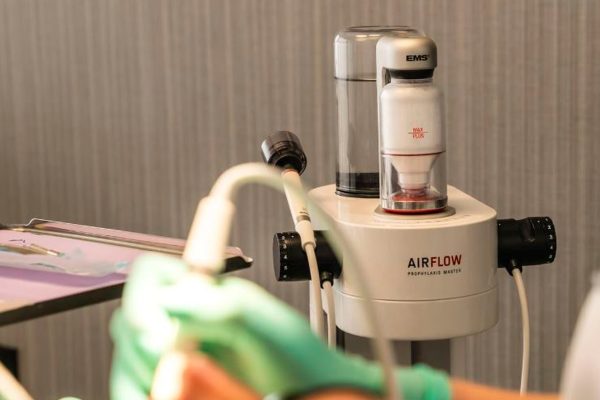
Wisdom teeth, also known as third molars, are four teeth located in the back of the mouth. Removal of these teeth is not always necessary, but is recommended in cases of pain, inflammation, infection, crowding, decay or damage to adjacent teeth. The assessment of the need for extraction is made by the dentist, who evaluates the position and health of the teeth, and in some cases x-rays are taken to make an accurate decision.
What are wisdom teeth?
How many wisdom teeth do we have?
In total, we normally have four wisdom teeth, one in each quadrant of the mouth. However, not everyone develops all four wisdom teeth. Some may have fewer, even just one or two, and in some rare cases, they may have none at all.
When do wisdom teeth usually appear?
Wisdom teeth usually appear during adolescence and early adulthood, specifically between the ages of 16 and 25. However, this can vary from person to person. Some may experience the eruption of wisdom teeth before the age of 16 or even after the age of 25. In addition, it is also possible that wisdom teeth may not erupt completely, remaining partially covered by gum or bone.
Assessment of the need for wisdom tooth removal
The assessment of the need for wisdom teeth removal is fundamental in determining whether this procedure is necessary. Three key aspects of this assessment are discussed below:
When is it necessary to remove wisdom teeth?
Wisdom teeth extraction is considered necessary in cases where they are causing problems. These symptoms may indicate that wisdom teeth are not erupting properly or that their position is causing oral health complications. Therefore, the dentist will carefully evaluate each case to determine if wisdom teeth need to be removed.
What problems can wisdom teeth cause?
Wisdom teeth can cause various problems if they do not erupt properly. Because they are located in the back of the mouth, they often have difficulty emerging fully and can become partially or completely impacted. This can lead to pain, inflammation and infection. In addition, impacted wisdom teeth can put pressure on adjacent teeth, causing crowding and unwanted tooth shifting. Also, their incorrect position makes oral hygiene more difficult, increasing the risk of tooth decay and periodontal disease.
How does the dentist decide whether they need to be removed?
The decision to remove wisdom teeth is always made by the dentist, who will perform a thorough evaluation. During the examination, the dentist will assess the position of the wisdom teeth and their impact on oral health. In some cases, x-rays may be necessary to obtain a more accurate picture and assess the need for extraction. In addition, the dentist will consider the patient's age, the general health of the teeth and, especially, whether they are causing problems or could cause complications in the near future. Based on all these factors, the dentist will determine if wisdom teeth need to be removed.
Wisdom teeth removal procedure
Wisdom tooth extraction can vary in complexity from case to case. The different aspects of the procedure are described below:
Types of wisdom tooth extraction
There are two types of wisdom tooth extraction:
- Simple extraction: In simple cases, extraction can be performed in a few minutes under local anaesthesia. The dentist uses special instruments to loosen and remove the wisdom tooth.
- Surgical removal: In more complicated cases, general anaesthesia may be required and the procedure involves making incisions in the gum, partially removing the bone and suturing. This is usually necessary when the wisdom tooth is partially erupted or impacted in the bone.
Anaesthesia used in the extraction
To ensure patient comfort during the procedure, either local or general anaesthesia is used, depending on the complexity of the extraction and the dentist's preference. Local anaesthesia numbs the area of the mouth where the extraction will be performed, while general anaesthesia induces a deep sleep state for the patient during the entire surgery.
Post-extraction care
After wisdom teeth removal, it is essential to follow the dentist's instructions to ensure proper recovery and avoid complications. Some aftercare includes:
- Maintain good oral hygiene: Gently brush your teeth and the extraction area, avoiding harsh rinses. It is also important not to use alcoholic mouthwashes during the first few days.
- Avoid hard or hot foods: For the first few days after the extraction, avoid eating foods that may cause discomfort or irritation in the extraction area, such as very hard, hot or spicy foods.
- Take prescribed medications: Your dentist may prescribe painkillers and medications to prevent infection. It is important to follow the medication regimen as directed to control pain and speed healing.
Properly following this aftercare will allow for a successful recovery and minimise any discomfort or complications after wisdom tooth removal.
Risks and complications associated with wisdom tooth removal
Postoperative discomfort and side-effects
After wisdom tooth removal, it is common to experience some discomfort and side effects during the recovery process. These can include swelling and pain in the treated area, as well as tender gums and difficulty opening your mouth fully. To alleviate discomfort, you can follow your dentist's instructions, such as taking prescribed medications to control pain and swelling. In addition, applying cold compresses to the cheek can reduce swelling. It is important to avoid hard or hot foods that may irritate the area and to maintain good oral hygiene by following the instructions provided.
Prevention and management of complications
Although wisdom tooth removal is a common and low-risk procedure, there are possible complications that can arise. It is essential to follow your dentist's recommendations to prevent and manage these complications effectively. Some of the possible complications include infections, excessive bleeding, damage to nearby nerves, improper blood clot formation, and temporomandibular joint problems. To prevent infection, a regimen of antibiotics may be prescribed. In case of excessive bleeding, applying pressure to the area and biting on sterile gauze may help stop the bleeding. If numbness or loss of sensation in the back of the mouth is experienced, it is important to inform the dentist immediately. Also, if symptoms of infection such as fever, redness or severe pain occur, seek medical attention urgently.
Maintaining good oral health after wisdom tooth removal
Proper oral hygiene after extraction
After wisdom teeth extraction, it is essential to maintain proper oral hygiene to avoid complications and promote a speedy recovery. Here are some tips:
- Maintain a good toothbrushing routine. Use a soft-bristled toothbrush and carefully brush your teeth, avoiding the extraction area for the first 24 hours. After that, you can gently brush that area with gentle strokes to keep it clean and prevent infection.
- Rinse your mouth with warm salt water. After the first 24 hours, you can do gentle rinses with warm salt water several times a day to help reduce swelling and keep the wound clean.
- Avoid hard, sticky or hot foods. For the first few days after the extraction, it is advisable to avoid foods that may cause discomfort or irritate the area, such as hard, sticky or hot foods.
- Eat soft and cold foods. Opt for soft, cold foods that do not put the extraction wound at risk and provide relief and comfort, such as purees, yoghurt, soft ice cream, soups or smoothies.
- Avoid smoking and drinking alcohol. Smoking and alcohol consumption can negatively affect the healing process and should be avoided during the recovery period.
Regular dental visits to prevent future problems
After wisdom teeth removal, it's important to keep regular visits to the dentist to assess your oral health and prevent future problems. Here's why:
- Regular dental check-ups. See your dentist regularly for comprehensive oral examinations and early detection of any problems, which will help you maintain good oral health.
- Dental X-rays. Your dentist may order X-rays to assess the position and health of your remaining teeth, as well as to detect possible problems in the early stages.
- Personalised oral care advice. Your dentist will provide you with specific recommendations for the care of your teeth and gums, adapted to your particular situation.
- Preventive treatments. If necessary, your dentist may recommend additional preventive treatments, such as dental sealants or professional cleanings, to keep your teeth healthy and prevent future complications.
Maintaining good oral health after wisdom tooth removal is essential to ensure proper recovery and prevent long-term dental problems. Follow your dentist's recommendations and maintain a good oral care routine to enjoy a healthy, radiant smile.
Frequently asked questions about wisdom teeth
Does everyone need to have their wisdom teeth extracted?
Not everyone needs to have their wisdom teeth removed. The need for removal depends on several factors, such as the space available in the mouth, the position and health of the teeth, and whether they are causing problems. The dentist will evaluate each case individually to determine if they need to be removed.
When is the best time to remove wisdom teeth?
The best time to remove wisdom teeth can vary from person to person. Generally, it is recommended when the teeth have not yet caused problems and the person is young, as recovery is usually quicker. However, each case is different and the dentist will determine the most appropriate time for extraction.
How long does extraction surgery take?
The duration of wisdom tooth removal surgery can vary depending on the complexity of each case. In simple situations, the extraction may take only a few minutes. However, in more complicated cases, it may take longer, especially if it is necessary to make incisions in the gum and remove part of the bone. The dentist will provide a more accurate estimate on a case-by-case basis.
Is it possible to remove all wisdom teeth at once?
In some cases, it is possible to remove all wisdom teeth at once, especially if there are no complications and there is enough space in the mouth for the extraction. However, depending on the individual situation, the dentist may recommend removing wisdom teeth gradually, over several sessions, to minimise discomfort and facilitate recovery.
What are the possible complications of extraction?
While wisdom tooth removal is generally safe, some complications can occur. These can include infection, excessive bleeding, difficulty opening the mouth, damage to nearby nerves, upper respiratory tract infections and blood clots. It is important to follow your dentist's instructions and report any discomfort or complications that may arise during the recovery process.