Fast orthodontics with brackets is an effective treatment to correct dental alignment problems. Thanks to different techniques and devices, satisfactory and lasting results are achieved in less time than with conventional orthodontics. Proper use of brackets and good oral hygiene are essential. In addition to aligning teeth, this treatment prevents future dental problems and improves dental aesthetics. In this article, you will find information about how braces work, their advantages, types of brackets, care during treatment and other frequently asked questions. We will also discuss other related dental treatments and how to determine if rapid orthodontics with braces is the best option for you.
What is rapid orthodontics with braces?
Fast orthodontics with braces is a type of dental treatment that seeks to correct dental alignment problems more quickly than conventional orthodontics. It uses brackets, which are small pieces attached to the teeth, and different techniques to accelerate the process of tooth movement and obtain satisfactory and long-lasting results.
How rapid orthodontics with brackets works
Rapid orthodontics with brackets works by applying controlled forces to the teeth to gradually move them into the desired position. The brackets act as anchors for metal archwires or archwires made of other materials, which apply the necessary pressure to move the teeth into the correct position.
In addition to brackets, in some cases auxiliary devices such as elastic ligatures or elastic bands are used, which help to accelerate the process of tooth mobilisation.
Advantages and benefits of fast orthodontics with brackets
Fast orthodontics with brackets has several advantages and benefits for patients. These include:
- Reduced treatment time compared to conventional orthodontics.
- Aesthetic improvement: the brackets used in fast orthodontics can be made of different materials, including more aesthetic options such as ceramic or lingual brackets, which minimises the visual impact of the treatment.
- Satisfactory and long-lasting results: by following the orthodontist's instructions and maintaining good dental hygiene, an aligned and well-proportioned smile is achieved.
Factors to consider before undergoing rapid orthodontics with braces
Before starting rapid orthodontic treatment with braces, it is important to consider a few factors:
- Individualised assessment: each patient has specific dental characteristics and needs, so a personalised assessment by the orthodontist is essential.
- Commitment and cooperation: the success of the treatment depends on the patient's commitment to follow the orthodontist's instructions and maintain good oral hygiene.
Is fast orthodontics with braces the best option for me?
Before starting fast orthodontic treatment with braces, it's important to have a personalised assessment and design an individualised treatment plan that fits your specific needs. Your orthodontist will consider several factors to determine if this type of orthodontics is the best option for you.
Personalised assessment and individualised treatment plan
The first step is to carry out a thorough assessment of your malocclusion, i.e. your dental alignment problems. The orthodontist will analyse the position and shape of your teeth, your bite, the space available in your mouth and other relevant aspects to determine the extent of treatment.
Based on this assessment, an individualised treatment plan will be designed that takes into account your aesthetic and functional goals, as well as your age and any special considerations that may affect the process of rapid orthodontics with braces.
Special considerations according to the patient's needs
In some cases, there may be special considerations that need to be taken into account before undergoing rapid orthodontics with braces. For example, if you have certain medical conditions or additional dental problems, your orthodontist will assess how these factors may influence your treatment.
In addition, your lifestyle and personal preferences will be considered. For example, if you want a more aesthetic treatment option, the orthodontist may recommend aesthetic braces instead of metal brackets.
Consultation with the orthodontist and informed decision making
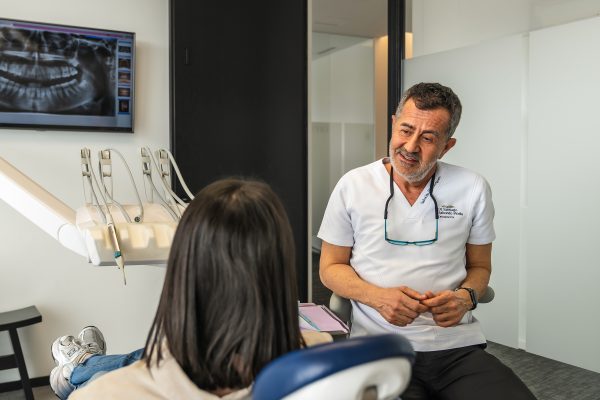
Once the assessment has been carried out and the treatment plan has been designed, it is important that you have a detailed consultation with the orthodontist. During this consultation, you will be able to ask all your questions and clarify all your doubts in order to make an informed decision about whether rapid orthodontics with braces is the best option for you.
The orthodontist will explain in detail the treatment process, estimated times, necessary care and any other relevant aspects. Based on this information, you will be able to make a decision with full knowledge of the benefits and expectations of this type of orthodontics.
Remember that each case is unique, so it is essential to have the professional guidance and experience of the orthodontist to make the best decision regarding your fast orthodontic treatment with braces.
Types of brackets used in fast orthodontics
Metal brackets
Metal brackets are a common choice in fast orthodontics. They are made of stainless steel and are known for their durability and strength. These brackets are bonded to the surface of the teeth and are connected to each other with an archwire that exerts pressure to move the teeth into their correct position. Although they are visible, metal brackets are an economical and effective option for correcting dental alignment.
Aesthetic brackets
Aesthetic brackets are designed to be more discreet than metal brackets. They can be made of ceramic, porcelain or composite materials. These brackets blend in with the colour of your teeth, making them less noticeable. Although aesthetically pleasing, cosmetic braces can be more susceptible to staining and fracture. However, they remain a popular choice for those who want less visible orthodontics.
Lingual braces
Lingual brackets are placed on the back of the teeth, making them virtually invisible from the front. They are made of metal and offer all the advantages of conventional brackets, but with a more aesthetic appearance. Lingual braces require special skills on the part of the orthodontist and can be more uncomfortable at first. However, they are an ideal option for those who wish to correct their smile in a discreet manner.
In conclusion, there are different types of brackets used in fast orthodontics, each with their own advantages and considerations. Metal brackets are durable and economical, aesthetic brackets are more discreet and can be more easily stained, and lingual brackets offer greater aesthetics when placed on the back of the teeth. The choice of bracket type will depend on the patient's preferences and the orthodontist's recommendations. These brackets are an essential part of fast orthodontic treatment to achieve an aligned and functional smile.
Care and maintenance during fast orthodontic treatment with brackets
Proper care during fast orthodontic treatment with braces is essential to ensure successful and long-lasting results. The following are the main guidelines to follow:
Dental hygiene with braces
Dental hygiene during orthodontic treatment is crucial to prevent plaque build-up, tooth decay and gum problems. Here are a few tips:
- It is important to brush your teeth after every meal, using a soft toothbrush and fluoride toothpaste.
- It is recommended to use interdental brushes or dental floss to clean between the brackets and around the wires.
- The use of alcohol-free mouthwash can help kill bacteria and maintain oral freshness.
Diet and habits during treatment
During rapid orthodontic treatment, it is important to take into account certain dietary care and habits to avoid complications. Here are some recommendations:
- Avoid foods that are hard, sticky, or chewy, as they can damage the brackets and wires.
- Reduce consumption of sugary foods and drinks, as they can increase the risk of tooth decay.
- Avoid habits such as biting nails, chewing on pens, or opening packages with your teeth, as they can cause damage to the braces.
Follow-up visits and bracket adjustments
During rapid orthodontic treatment, regular follow-up visits with the orthodontist will be scheduled. During these appointments, adjustments will be made to your brackets and the progress of your treatment will be evaluated. It is important to attend all of these appointments to ensure that treatment progresses correctly and efficiently.
Frequently asked questions about fast orthodontics with brackets
Is orthodontics with rapid braces painful?
One of the main fears of patients is the pain associated with fast bracket orthodontics. It is important to note that it is normal to experience slight discomfort or sensitivity at the beginning of treatment as the teeth are moving. However, this discomfort usually subsides within a short time and can be relieved with over-the-counter pain relievers. The orthodontist may also recommend the use of special waxes to soothe irritated areas of the mouth.
How long does fast orthodontic treatment with braces last?
The duration of rapid orthodontic treatment with braces can vary according to the individual needs of each patient. In general, this type of treatment can last between 6 months and 2 years. The technology and techniques used in rapid orthodontics with brackets allow the process of dental alignment to be accelerated and the duration of treatment to be reduced compared to conventional orthodontics.
Is fast orthodontics possible at any age?
Yes, fast orthodontics with braces can be performed on people of all ages. There is no age limit for this type of dental treatment. However, it is important to keep in mind that the oral health and condition of the teeth and gums can influence the feasibility and outcome of treatment. Therefore, an individualised assessment by the orthodontist is necessary to determine if rapid orthodontics with braces is appropriate in each case.
Is it necessary to wear retainers after treatment?
Yes, it is necessary to wear retainers after completing rapid orthodontic treatment with braces. Retainers help keep teeth in their new position and prevent them from becoming misaligned again. The orthodontist will recommend the most appropriate type of retainer for each patient, which may be fixed or removable. It is essential to follow all of the orthodontist's instructions to ensure the long-term success of treatment.